Food Inflation 2026 USA UK: The Real Reason Your Grocery Bill Keeps Rising
Food inflation 2026 USA UK continues to strain household budgets even as overall inflation cools. The average American family now spends over $1,000 per month on groceries, while British households face similar pressure with average weekly food bills exceeding £70. The headline inflation rate might look better, but your grocery receipt tells a different story. Here’s why — and what you can actually do about it.
🔑 Key Takeaways
- Grocery prices are 25-30% higher than pre-pandemic levels in both countries
- Climate events are the single biggest driver of food price increases
- Supply chain consolidation gives fewer companies more pricing power
- UK food inflation tracks slightly higher than the US due to trade dependency
- Strategic shopping can save the average household $1,500-2,000 per year
{IMG:grocery shopping and rising food prices inflation 2026|Food Inflation 2026 USA UK}
📋 Table of Contents
- Why Food Inflation 2026 USA UK Keeps Hurting Your Wallet
- The Real Reasons Behind Food Inflation 2026 USA UK
- How Food Inflation 2026 USA UK Compares Across Categories
- What Governments Are Doing About Food Inflation 2026 USA UK
- Practical Ways to Fight Food Inflation 2026 USA UK
- Comparison: Food Price Changes USA vs UK
- Frequently Asked Questions About Food Inflation 2026 USA UK
Why Food Inflation 2026 USA UK Keeps Hurting Your Wallet
Food inflation 2026 USA UK is what economists call “sticky” — it goes up fast but comes down slow. Even though overall inflation has moderated significantly from 2022 peaks, food prices have barely budged downward. And here’s the thing most people don’t realize: food prices rarely go back down. They just stop going up as fast.
According to Reuters Consumer, grocery prices in the US remain 25-30% above pre-pandemic levels. In the UK, the picture is similar. The British Retail Consortium reports food prices are 22% higher than in 2019.
This matters because food is non-negotiable. You can skip vacations, delay car purchases, or cancel subscriptions. You can’t stop eating. Food inflation 2026 USA UK hits low-income households hardest because they spend a larger share of their income on groceries — often 25-35% versus 8-12% for higher-income families.
Honestly, the most frustrating part is that many food companies used inflation as cover to raise prices beyond their cost increases. Corporate profit margins in the food sector hit record highs in 2023 and 2024. From what I’ve seen, the “greedflation” debate isn’t just political rhetoric — there’s real data behind it. For budget strategies, check out side hustle ideas 2026 USA.
The Real Reasons Behind Food Inflation 2026 USA UK
Climate Disruption
This is the biggest factor nobody wants to confront. Droughts in Spain and Italy drove olive oil prices up 60%. Flooding in California’s Central Valley affected produce yields. Heat waves in India disrupted rice production. Climate change isn’t a future threat to food prices — it’s a current reality.
Supply Chain Consolidation
Four companies control over 80% of US beef processing. Four companies dominate global grain trading. When markets are this concentrated, competition doesn’t keep prices in check. Companies can raise prices without losing customers because customers have nowhere else to go.
{IMG:agricultural supply chain and food distribution warehouse|Supply Chain Consolidation}
Labor Costs
Farm labor shortages in both the US and UK have pushed wages up — which is good for workers but increases food costs. The UK’s post-Brexit immigration rules reduced the pool of seasonal agricultural workers, creating particular pressure on British produce prices. According to BBC Business, UK farms reported 40%+ vacancy rates for seasonal roles in 2025.
Energy and Transportation
Fertilizer production is energy-intensive, and fertilizer prices remain elevated. Transportation costs have stabilized but are still higher than pre-pandemic. Refrigeration, processing, and packaging all add energy costs that get passed to consumers.
Geopolitical Disruption
The war in Ukraine continues to affect global grain and sunflower oil markets. Trade tensions between the US and China affect soybean and other commodity prices. Every geopolitical disruption ripples through food supply chains.
Let’s be real — there’s no single villain here. Food inflation 2026 USA UK results from a combination of structural factors that can’t be solved with one policy change. But some of these factors are more fixable than others, and we should focus on those. For related trends, see climate change policy 2026.
How Food Inflation 2026 USA UK Compares Across Categories
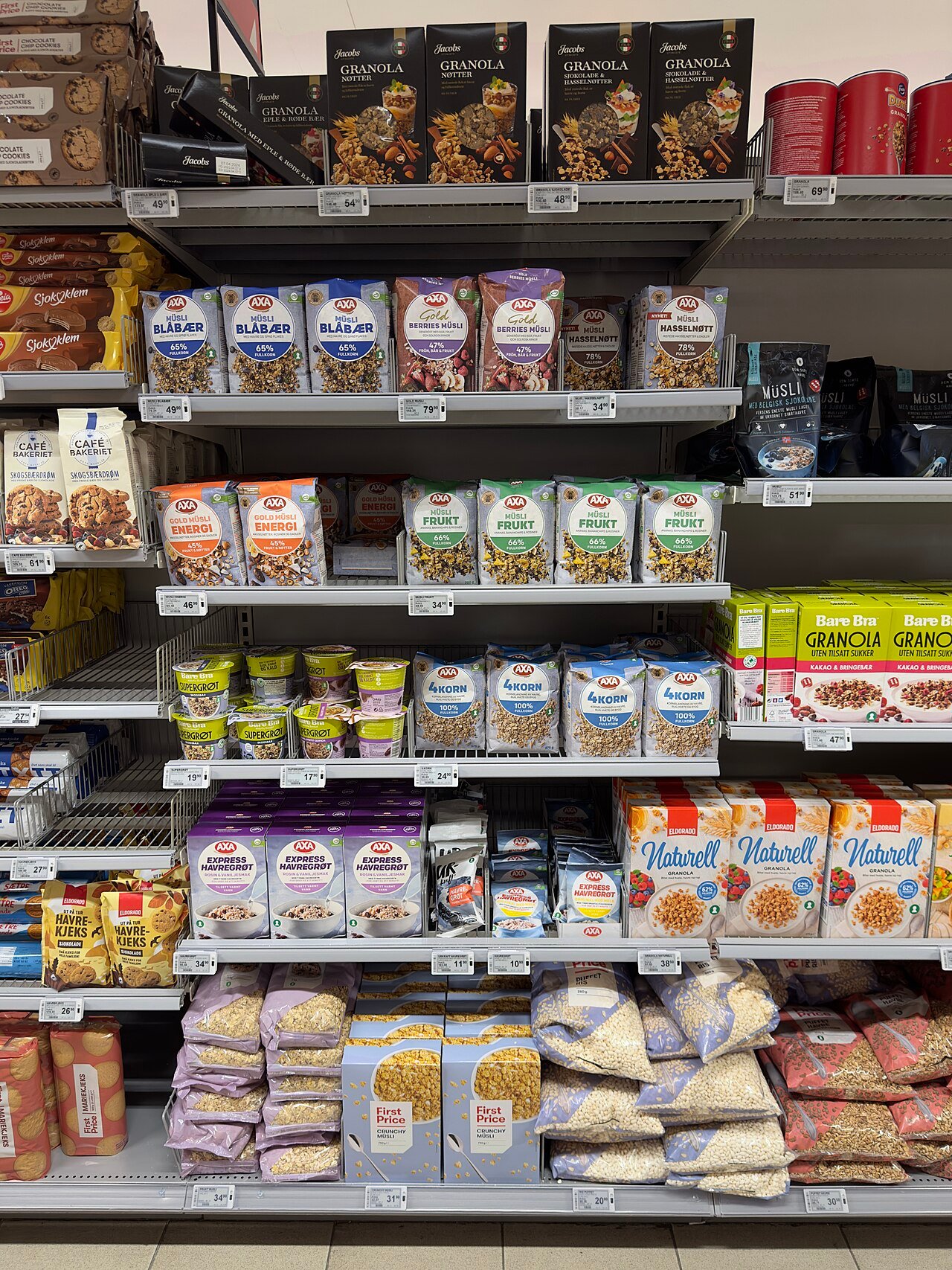
Not all food categories are equally affected. Here’s where the price pressure is greatest:
Produce: Fresh fruits and vegetables have seen some of the highest increases due to climate impacts and labor costs. Organic produce has been hit especially hard.
Meat and dairy: Beef prices remain stubbornly high due to reduced cattle herds. Dairy has moderated somewhat but remains above historical averages.
Packaged foods: This is where “greedflation” is most visible. Many packaged food companies raised prices well beyond their cost increases and have been slow to reduce them as input costs fell.
Staples: Bread, rice, and pasta have been relatively more stable, though
they’re still above pre-pandemic levels.
{IMG:supermarket shelves with rising prices and comparison shopping|Category Price Comparison}
What Governments Are Doing About Food Inflation 2026 USA UK
Government responses to food inflation 2026 USA UK have been limited but not nonexistent:
United States: The FTC has launched investigations into food price gouging and supply chain consolidation. SNAP benefits have been adjusted for inflation. Some states have eliminated grocery taxes. However, broad federal action has been limited.
United Kingdom:The UK government has pressured supermarkets to maintain “value lines” and improve price transparency. According to The New York Times Business, the UK’s approach relies more on public pressure than regulatory action, with mixed results.
From what I’ve seen, government action has been reactive rather than proactive. Most measures address symptoms rather than root causes. The structural issues — climate vulnerability, market concentration, labor shortages — require long-term investment and policy changes that extend well beyond any single election cycle. For more on financial pressures, read our guide to housing market 2026 predictions.
Practical Ways to Fight Food Inflation 2026 USA UK
You can’t control global commodity markets, but you can control how you spend your grocery budget:
- Meal plan weekly: Families who meal plan save 20-30% compared to those who shop without a plan.
- Buy in bulk strategically: Only bulk-buy items you actually use before they expire. Rice, pasta, and frozen goods are usually good bulk buys.
- Use cashback apps: Apps like Ibotta, Fetch, and Checkout Smart (UK) can save $20-50/month.
- Reduce food waste: The average household wastes 30-40% of the food they buy. Better storage, creative leftovers, and portion control make a real difference.
- Compare unit prices: Always check the price per ounce or per unit, not just the sticker price. Store brands often match name brands in quality at 20-40% less cost.
- Grow something: Even a small herb garden or container tomatoes can reduce produce costs and improve meal quality. Check out healthy meal delivery 2026 for convenient options.
Comparison: Food Price Changes USA vs UK
| Category | US Price Change (2020-2026) | UK Price Change (2020-2026) | Key Driver |
|---|---|---|---|
| Fresh Produce | +28% | +32% | Climate, labor |
| Beef | +33% | +35% | Herd reduction, feed costs |
| Dairy | +22% | +26% | Feed, energy costs |
| Packaged Foods | +25% | +28% | Corporate pricing, input costs |
| Bread & Cereals | +19% | +24% | Grain prices, energy |
| Olive Oil | +60% | +65% | Mediterranean drought |
Frequently Asked Questions About Food Inflation 2026 USA UK
Will food prices go back down?
Most food prices won’t return to pre-pandemic levels. Food inflation typically means prices rise more slowly, not that they decrease. Some categories like eggs may fluctuate, but the overall trend is permanently higher prices.
Why is food inflation worse in the UK than the US?
The UK faces additional pressure from post-Brexit trade barriers, higher import dependency, and reduced access to seasonal agricultural labor. The UK imports about 46% of its food, making it more vulnerable to global price shocks.
Are food companies price-gouging?
Some are. FTC investigations and academic research show that several major food companies raised prices beyond their cost increases during the inflation surge. Profit margins in the food sector hit record highs, suggesting excess pricing power in concentrated markets.
How much extra am I spending on groceries compared to 2020?
The average US household spends about $250-350 more per month on groceries than in 2020. UK households spend roughly £150-200 more per month. These are averages — your actual increase depends on your shopping habits and dietary preferences.
What’s the single most effective way to reduce my grocery bill?
Meal planning consistently saves the most money — typically 20-30% compared to unplanned shopping. Combined with reducing food waste and buying store brands, many households can save $1,500-2,000 per year without significantly changing their diet.
This article is for informational purposes only. While we strive for accuracy, details may change. NowGoTrending may earn commissions from affiliate links at no extra cost to you.
💡 Our Top Picks — Best Deals Available Now
We may earn a commission if you purchase through these links. Affiliate Disclosure