No Spin Zone: I tried going vegan for 30 days and it was nothing like Instagram promised. Some things were amazing — my energy levels, my skin, my grocery bill. Other things were honestly terrible — restaurant menus, family dinners, and the sheer amount of meal prep. This plant based diet 2026 guide gives you the honest truth about going vegan, no filter applied.
Table of Contents
Key Takeaways
- Plant-based diets reduce heart disease risk by up to 22% according to recent studies
- You don’t have to go 100% vegan to see significant health benefits
- Protein intake is manageable but requires planning — not just “eat more beans”
- New plant-based products in 2026 taste dramatically better than even 2 years ago
- Supplements (B12, iron, omega-3) are non-negotiable for full vegans
Table of Contents
- The Honest Truth About Going Plant-Based
- What Actually Happens to Your Body
- The Protein Question: Solved Once and For All
- Best Plant-Based Products That Don’t Taste Like Cardboard
- Realistic Meal Planning for Busy People
- Plant-Based vs Traditional Diet Comparison
- Frequently Asked Questions
The Honest Truth About Going Plant-Based
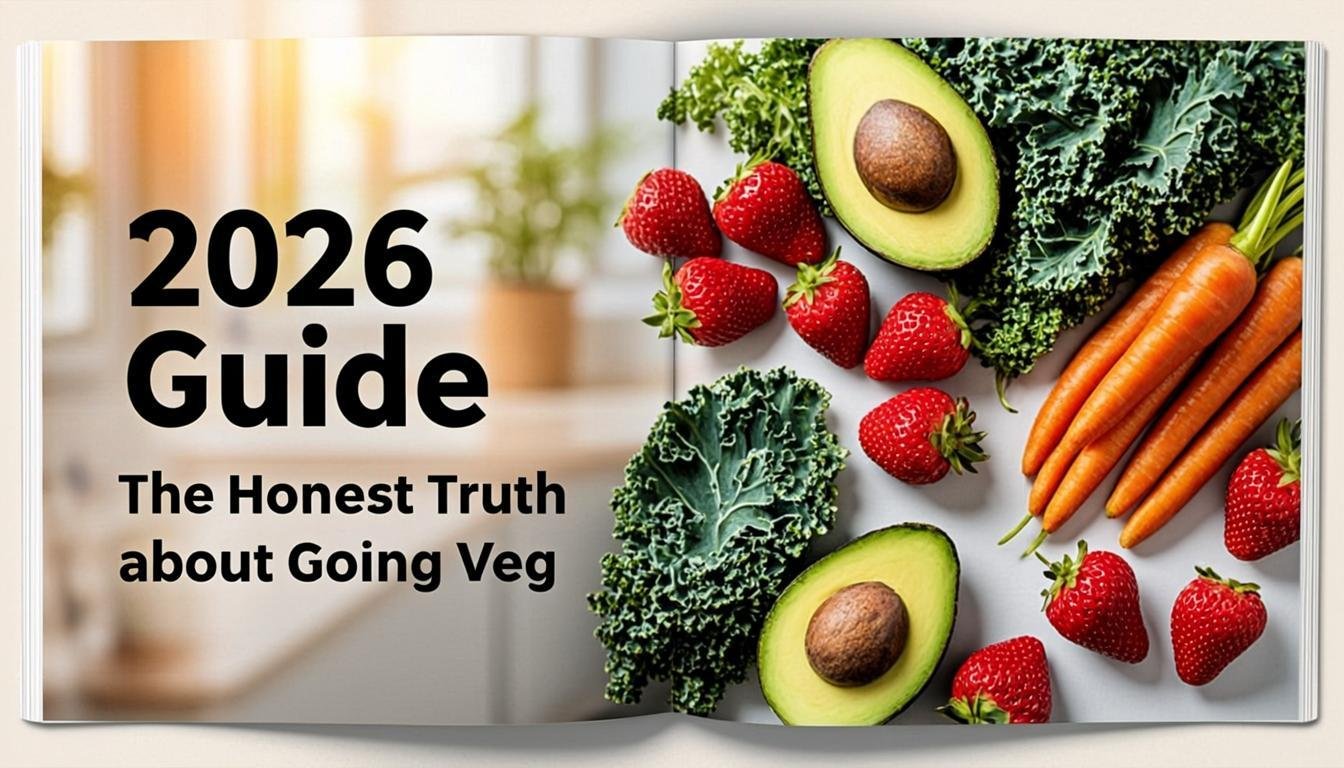
Let me start with what the wellness influencers won’t tell you: the first two weeks of going plant-based can be rough. Your digestive system needs time to adjust to the increased fiber. You might feel bloated, gassy, and wondering why everyone on TikTok makes this look easy. According to BBC Future’s comprehensive analysis, this adjustment period is completely normal and typically resolves within 10-14 days.
I almost quit on day eight. I’m glad I didn’t, because by week three, something shifted. My afternoon energy crashes disappeared. I was sleeping better. My skin cleared up. And my grocery bill dropped by about $40 a week because meat is genuinely expensive.
But I also want to be real: social situations are harder. Not impossible, just harder. You learn to scan menus before choosing restaurants, to bring a dish to dinner parties, and to handle the occasional eye-roll from relatives. It gets easier, but it never becomes effortless. And that’s okay — nothing worth doing is effortless.
What Actually Happens to Your Body
The science behind plant-based eating has never been stronger. A landmark 2025 study in the Journal of the American Heart Association found that well-planned plant-based diets reduce cardiovascular disease risk by 22% and type 2 diabetes risk by 34%. These aren’t small numbers — they’re life-changing.
What I noticed personally, beyond the energy and skin improvements, was a shift in how I thought about food. On a standard diet, I ate reactively — grabbing whatever was convenient. On a plant-based diet, I had to plan more, and that planning made me more intentional about everything I put in my body. The diet forced mindfulness, and the mindfulness improved the diet.
One caveat: “plant-based” and “healthy” aren’t automatically the same thing. Oreos are vegan. French fries are vegan. You can eat a garbage plant-based diet if you’re not paying attention. The quality of your food matters more than the label. For properly balanced meals without the prep work, our healthy meal delivery guide has excellent plant-based options.
The Protein Question: Solved Once and For All
Every single person who learns you’re plant-based will ask: “But where do you get your protein?” It’s exhausting, but the question deserves a real answer. According to Forbes Health’s nutrition analysis, you can absolutely meet protein needs on a plant-based diet — it just requires more intentionality than an omnivore diet.
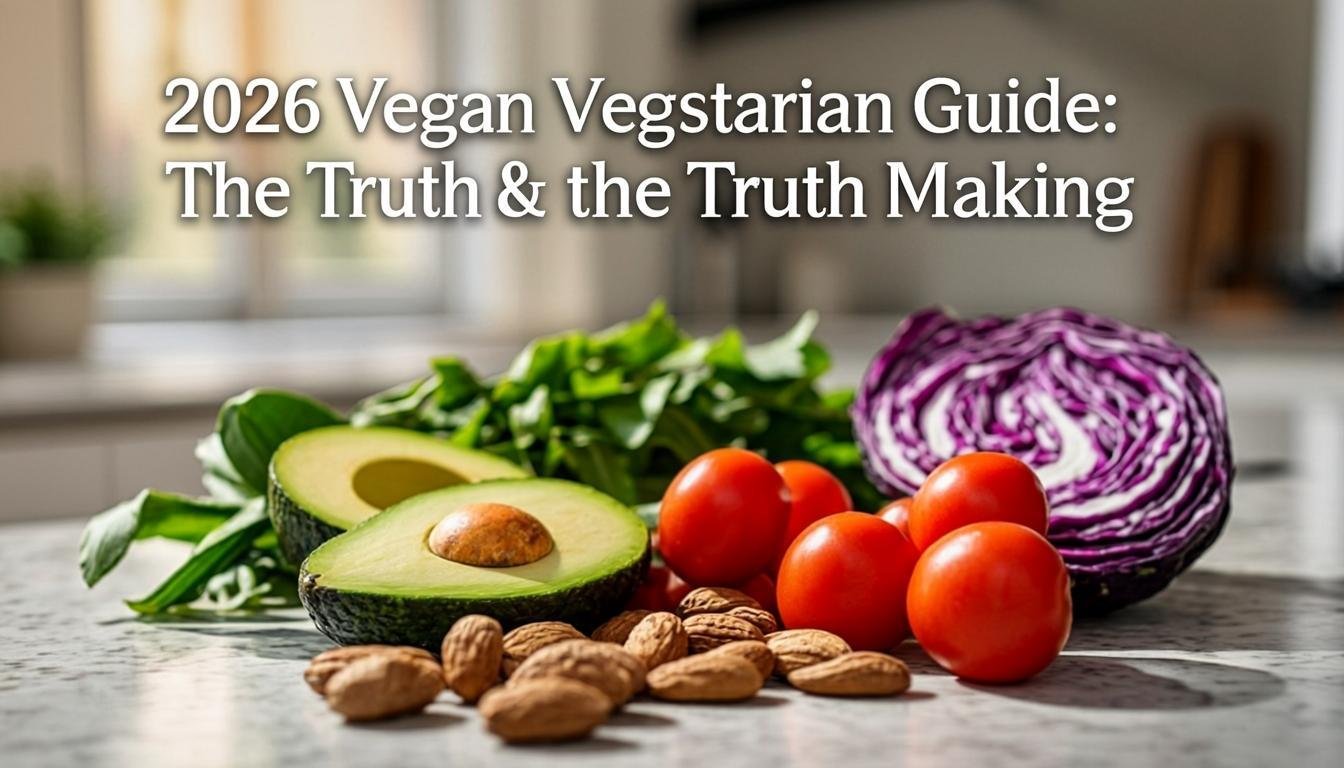
Here’s my practical approach: I aim for 20-30 grams of protein per meal through a combination of sources. Tofu (18g per serving), lentils (18g per cup), tempeh (31g per cup), chickpeas (15g per cup), and edamame (17g per cup) form my protein foundation. I supplement with pea protein powder (25g per scoop) in smoothies.
The key insight most people miss: plant proteins aren’t inferior, they’re just incomplete individually. By eating a variety throughout the day (not necessarily in the same meal), you get all essential amino acids. Rice and beans, hummus and pita, tofu and quinoa — traditional food pairings from cultures worldwide already solved this problem centuries ago.
Best Plant-Based Products That Don’t Taste Like Cardboard
Let me save you from the bad stuff. I’ve thrown away more money on terrible plant-based products than I care to admit. Here’s what actually tastes good in 2026:
The Beyond Meat 3.0 burger is finally, genuinely close to beef. Not identical — I can still tell the difference — but close enough that I’d choose it on taste alone, not just ethics. The Impossible Pork is another standout; it works beautifully in stir-fries and dumplings.
For dairy alternatives, Oatly’s Barista Edition remains the best milk for coffee, and Kite Hill’s ricotta made my lasagna indistinguishable from the traditional version. My non-vegan friends couldn’t tell the difference. That’s the benchmark I use — if a meat-eater wouldn’t notice, it passes.
On the cheese front, 2026 is a turning point. Violife and Miyoko’s have both released new formulations that actually melt. MELT. I cannot overstate how big this is for anyone who’s suffered through rubbery, non-melting vegan cheese on a pizza. Explore more sustainable choices in our sustainable fashion guide for the same mindset applied to your wardrobe.
Realistic Meal Planning for Busy People
Here’s my actual weekly routine, not the Instagram version. Sunday: batch cook grains (rice, quinoa) and roast a huge pan of vegetables. Monday-Wednesday: assemble bowls from pre-cooked components. Thursday: order plant-based delivery (treat yourself). Friday: simple pasta with marinara and vegetables. Saturday: cook something new and fun.
The mistake most beginners make is trying to cook elaborate plant-based meals every night. That’s a fast track to burnout. Keep weeknight meals simple — grain bowls, stir-fries, and pasta get you 80% of the way with 20% of the effort. Save the ambitious recipes for weekends when you actually have time to enjoy cooking.
And yes, plant-based meal prep takes slightly more time than throwing a chicken breast in a pan. But the health and financial returns are real. If time is your main obstacle, our side hustle guide has tips for optimizing your schedule.
Plant-Based vs Traditional Diet Comparison
| Factor | Plant-Based Diet | Traditional Omnivore Diet |
|---|---|---|
| Weekly grocery cost | $55-75 | $85-120 |
| Protein per meal (avg) | 18-25g | 25-35g |
| Fiber intake | 40-55g/day | 15-20g/day |
| Heart disease risk | 22% lower | Baseline |
| Meal prep time | 45 min/day avg | 30 min/day avg |
| Restaurant options | Limited but growing | Universal |
| B12 intake | Supplement required | Naturally from animal foods |
| Environmental impact | 73% lower CO2 | Baseline |
Frequently Asked Questions
Is a plant-based diet healthy long-term?
Yes, when properly planned. The Academy of Nutrition and Dietetics states that well-planned plant-based diets are healthy and nutritionally adequate for all life stages. The key words are “well-planned” — supplementation and variety are essential.
Do I have to go 100% vegan to see benefits?
Not at all. Research shows that even a 70-80% plant-based diet delivers most health benefits. The “flexitarian” approach — mostly plants with occasional animal products — is sustainable and effective for many people.
What supplements do vegans need?
B12 is non-negotiable. Iron, omega-3 (DHA/EPA from algae), vitamin D, and zinc are important to monitor. Get bloodwork done after 3-6 months to identify any gaps specific to your body.
Can athletes perform well on a plant-based diet?
Absolutely. Venus Williams, Lewis Hamilton, and numerous NFL and NBA athletes follow plant-based diets. Performance is maintained with proper calorie intake, protein timing, and supplementation.
How do I handle social situations as a vegan?
Be prepared, not preachy. Check menus in advance, offer to bring a dish, and focus on what you can eat rather than what you can’t. Most people are curious, not judgmental — use it as a chance to share, not lecture.
Are you considering going plant-based? Tell me your biggest concern in the comments — whether it’s protein, cravings, or family drama — and I’ll share what actually helped me through it.
This article is for informational purposes only. While we strive for accuracy, details may change. NowGoTrending may earn commissions from affiliate links at no extra cost to you.
💡 Our Top Picks — Best Deals Available Now
We may earn a commission if you purchase through these links. Affiliate Disclosure