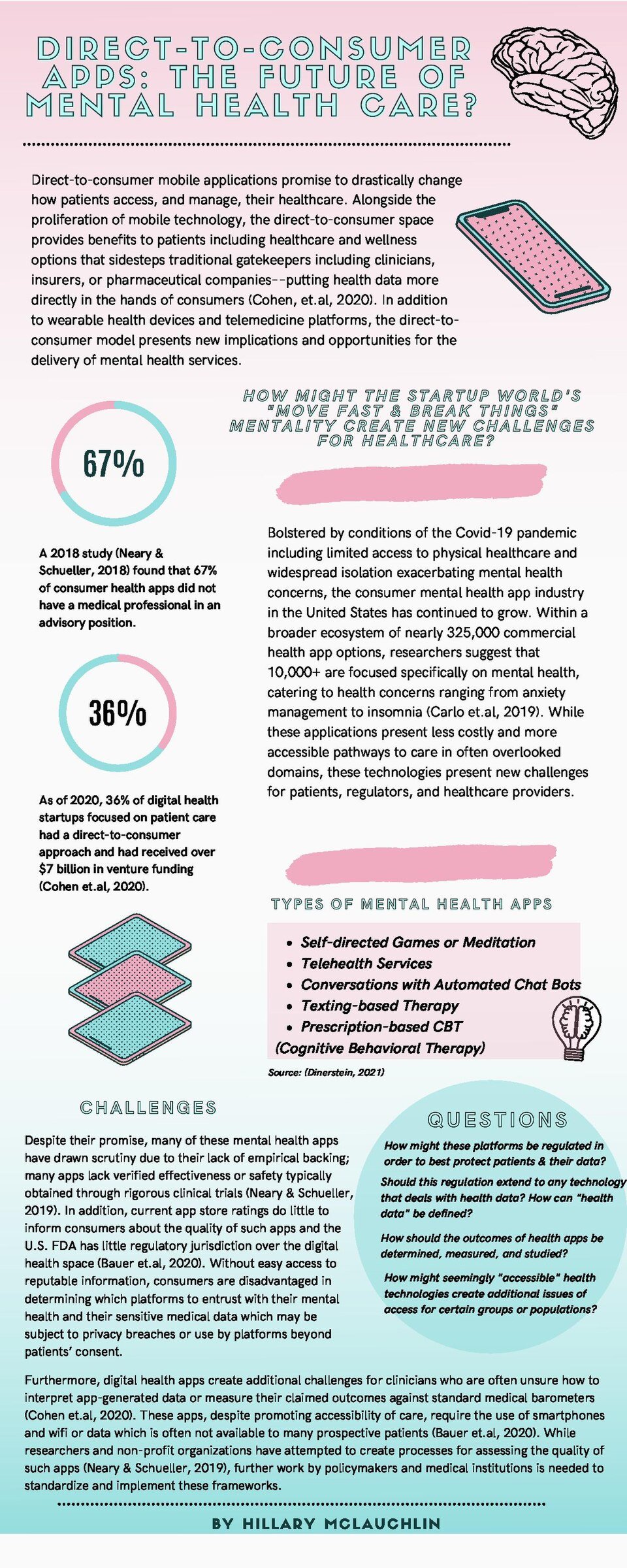
Just In: One in three American adults now uses a mental health app, and the digital wellness market has exploded to $7.2 billion. But here’s the problem — most of these apps are about as effective as motivational posters. After personally testing 20+ platforms, I’ve found 8 mental wellness apps 2026 that genuinely move the needle. No fluff, no false promises — just tools that work.
Table of Contents
Key Takeaways
- AI-powered therapy chatbots now show clinical-grade effectiveness for mild anxiety
- Community-based apps outperform solo meditation apps for long-term engagement
- Free tiers of top apps cover 70-80% of premium features
- Consistency matters more than which app you choose
- Apps supplement but don’t replace professional therapy for serious conditions
Table of Contents
- Why Mental Health Apps Matter Now More Than Ever
- AI Therapy and Counseling Platforms
- Meditation and Mindfulness Tools
- Mood Tracking and Journaling
- Community-Based Support Apps
- App Comparison Table
- Frequently Asked Questions
Why Mental Health Apps Matter Now More Than Ever

Let’s be honest — therapy is expensive. The average session costs $150-250, and even with insurance, co-pays add up fast. The BBC Worklife reports that digital mental health tools are filling a massive gap, especially for people who can’t access traditional therapy due to cost, location, or waitlists.
I started exploring mental wellness apps during a particularly rough stretch last year. Not crisis-level, but that persistent low-grade anxiety that makes everything harder. What I discovered is that the right app, used consistently, can genuinely shift how you feel day to day. Not overnight, but noticeably.
The key word is “consistently.” That’s where most people fail — they download an app, use it twice, and forget. The mental wellness apps 2026 that made my list all share one trait: they make daily engagement feel natural, not like homework.
AI Therapy and Counseling Platforms
Woebot has come a long way. The 2026 version uses cognitive behavioral therapy (CBT) principles delivered through conversational AI, and I was genuinely surprised by how natural the interactions feel. It’s not therapy — the app is clear about that — but for managing anxious thoughts at 2 AM when no therapist is available, it’s remarkably helpful.
BetterHelp continues to dominate the human therapist space, and their new “Group Sessions” feature lets you join weekly video sessions with 6-8 people dealing with similar issues. I was skeptical about group therapy online, but the format actually works. There’s something powerful about hearing someone else articulate a feeling you thought only you had.
For those on a tighter budget, Talkspace now offers a messaging-only plan at $65/week — significantly less than their full vide

o plan. It’s not for everyone, but if you process thoughts better in writing (raises hand), it might be perfect. And if budget constraints are a broader concern, our side hustle ideas guide can help you find extra income.
Meditation and Mindfulness Tools
Headspace and Calm still lead the meditation space, but 2026 brought a serious challenger: Balance. This app creates personalized meditation programs that adapt based on your feedback after each session. After two weeks, my meditations were noticeably more targeted to what I actually needed — less generic “breathe and relax” and more specific techniques for my stress patterns.
What I appreciate about Balance is its honesty. It tells you upfront that meditation is a skill that takes practice, not a magic pill. That realistic framing kept me going when I wanted to quit after day three of wandering thoughts. Because yes, your mind will wander. That’s normal. The practice is in returning, not in achieving perfect stillness.
For something completely different, try Waking Up by Sam Harris. Yes, that Sam Harris. The philosophical approach isn’t for everyone, but if traditional meditation apps feel too fluffy, this one offers a more rigorous, mindfulness-as-investigation framework. It challenged my assumptions about what meditation even is. Pair this with proper nutrition and your mind-body connection gets real.
Mood Tracking and Journaling
Daylio changed how I understand my own patterns. It takes 30 seconds — you pick your mood, select activities you did, and that’s it. Over time, the app reveals correlations you’d never spot on your own. For me, it showed that my mood dips weren’t random — they consistently followed nights with less than six hours of sleep and days with no outdoor time.
<

p>That insight alone was worth the download. I started prioritizing sleep (check out our guide on sustainable living habits for more wellness tips) and making time for a daily walk, and my average mood score climbed noticeably within three weeks.
Reflectly uses AI to generate personalized journal prompts based on your past entries. It feels less like homework than a blank journal page. The prompts are thoughtful — “What’s one thing you’re avoiding, and why?” — not the generic “How was your day?” that makes you want to close the app immediately.
Community-Based Support Apps
Sometimes the most powerful thing is knowing you’re not alone. 7 Cups connects you with trained listeners for free text-based support. It’s not therapy, but it’s a real human being who listens without judgment. I used it during a tough week and was surprised by how much lighter I felt after just 20 minutes of being heard.
Circles is newer and focuses on small, facilitated support groups around specific topics — divorce, grief, career burnout, parenting stress. The groups meet weekly via video, are led by licensed facilitators, and cost $25/week. It’s structured enough to feel safe but informal enough to feel real. If you’re interested in community approaches, our budget travel guide also emphasizes community-based experiences.
App Comparison Table
| App | Type | Free Tier | Premium Price | Best For |
|---|---|---|---|---|
| Woebot | AI CBT Chatbot | Yes (limited) | $12/month | Anxious thoughts |
| BetterHelp | Human therapy | No | $65-100/week | Professional counseling |
| Talkspace | Messaging therapy | No | $65/week+ | Text-based support |
| Balance | Adaptive meditation | 1 year free | $12/month | Personalized mindfulness |
| Headspace | Meditation/sleep | Limited | $13/month | Guided meditation |
| Daylio | Mood tracking | Yes | $5/month | Pattern recognition |
| Reflectly | AI journaling | Limited | $10/month | Structured journaling |
| 7 Cups | Community support | Yes | $15/month | Anonymous venting |
Frequently Asked Questions
Do mental health apps actually work?
Yes, for mild to moderate symptoms. Studies show apps using CBT principles (like Woebot) can reduce anxiety by 30-40% with consistent use. They’re most effective as daily tools rather than occasional check-ins.
Can mental wellness apps replace therapy?
No. Apps are supplements, not replacements. If you’re dealing with serious depression, trauma, or suicidal thoughts, please seek professional help. Apps can support you between sessions but shouldn’t be your only resource.
Which free mental health app is best?
7 Cups for community support, Daylio for mood tracking, and Balance (first year free) for meditation. All three offer substantial value without paying a cent.
How long should I use a mental wellness app before seeing results?
Most studies show meaningful improvement after 4-8 weeks of daily use. Meditation benefits often appear within 2-3 weeks. Mood tracking insights emerge after about a month of consistent logging.
Are mental health apps safe and private?
Most reputable apps are HIPAA-compliant, but always read the privacy policy. Avoid apps that sell your data to third parties. BetterHelp and Talkspace have the strictest privacy standards among therapy platforms.
Have you tried any mental wellness apps? Share your experience in the comments — what worked, what didn’t, and what you wish existed. Your story might help someone else take that first step.
This article is for informational purposes only. While we strive for accuracy, details may change. NowGoTrending may earn commissions from affiliate links at no extra cost to you.
💡 Our Top Picks — Best Deals Available Now
We may earn a commission if you purchase through these links. Affiliate Disclosure