
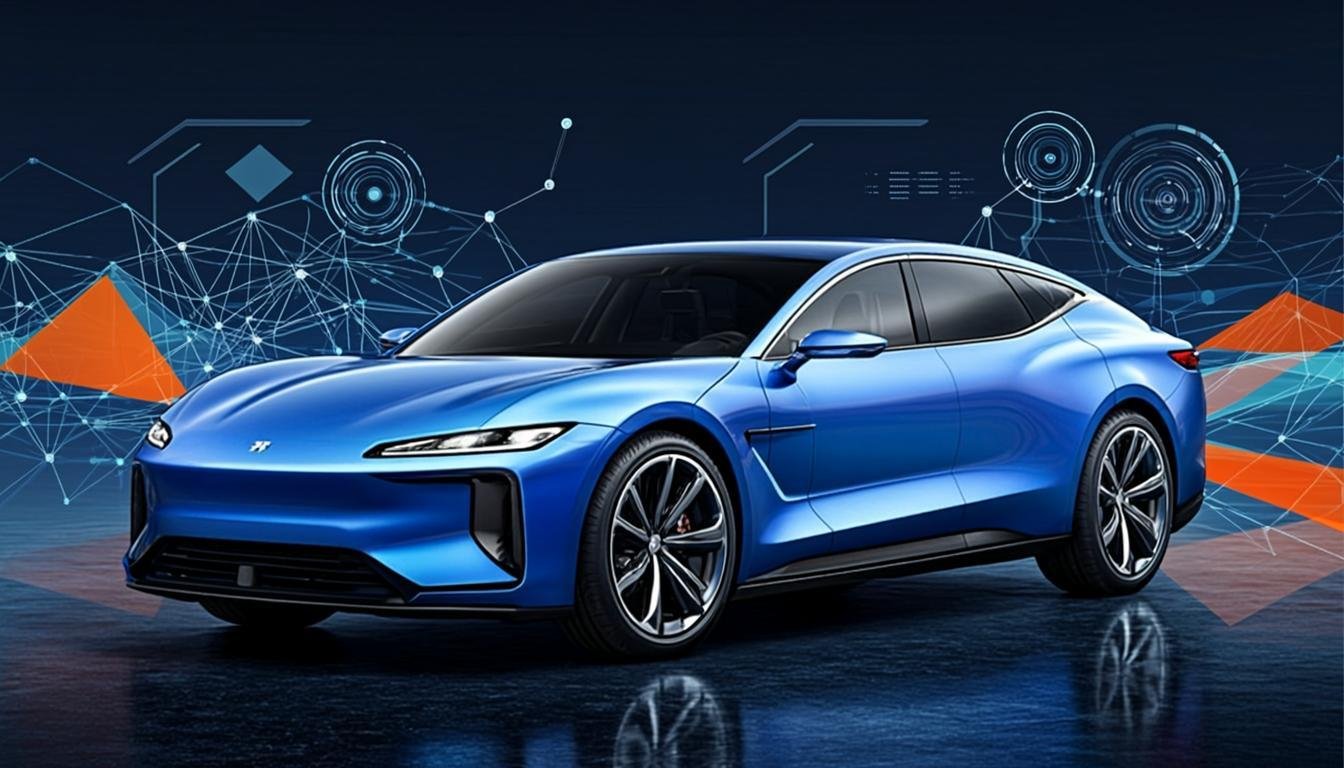
Electric Vehicles 2026 USA: What Nobody Tells You About the EV Revolution
The electric vehicles 2026 USA market is shifting fast, and most of what you’ve heard is either outdated or oversimplified. Range anxiety? Mostly solved. Charging infrastructure? Getting better, but still spotty in rural areas. Price? That’s where things get interesting. Let me walk you through what’s really happening with EVs in America right now.
- Average EV range in 2026 hits 320 miles — up from 250 just two years ago.
- Federal tax credits up to $7,500 still apply, but eligibility rules keep changing.
- Charging stations grew 45% in 2025, but rural coverage remains a real gap.
- Used EV prices have dropped 30%, making them the best value entry point.
- Battery recycling programs are finally scaling, addressing long-term sustainability concerns.
Table of Contents
- The State of Electric Vehicles 2026 USA
- The Best New EV Models for 2026
- Charging Infrastructure: The Real Story
- What EVs Actually Cost in 2026
- Battery Technology That Changes the Game
- Why Used EVs Are the Smart Play
- EV vs Gas: True Cost Comparison
- Insurance and Maintenance Realities
- Comparison Table: Top Electric Vehicles 2026 USA
- Frequently Asked Questions
The State of Electric Vehicles 2026 USA
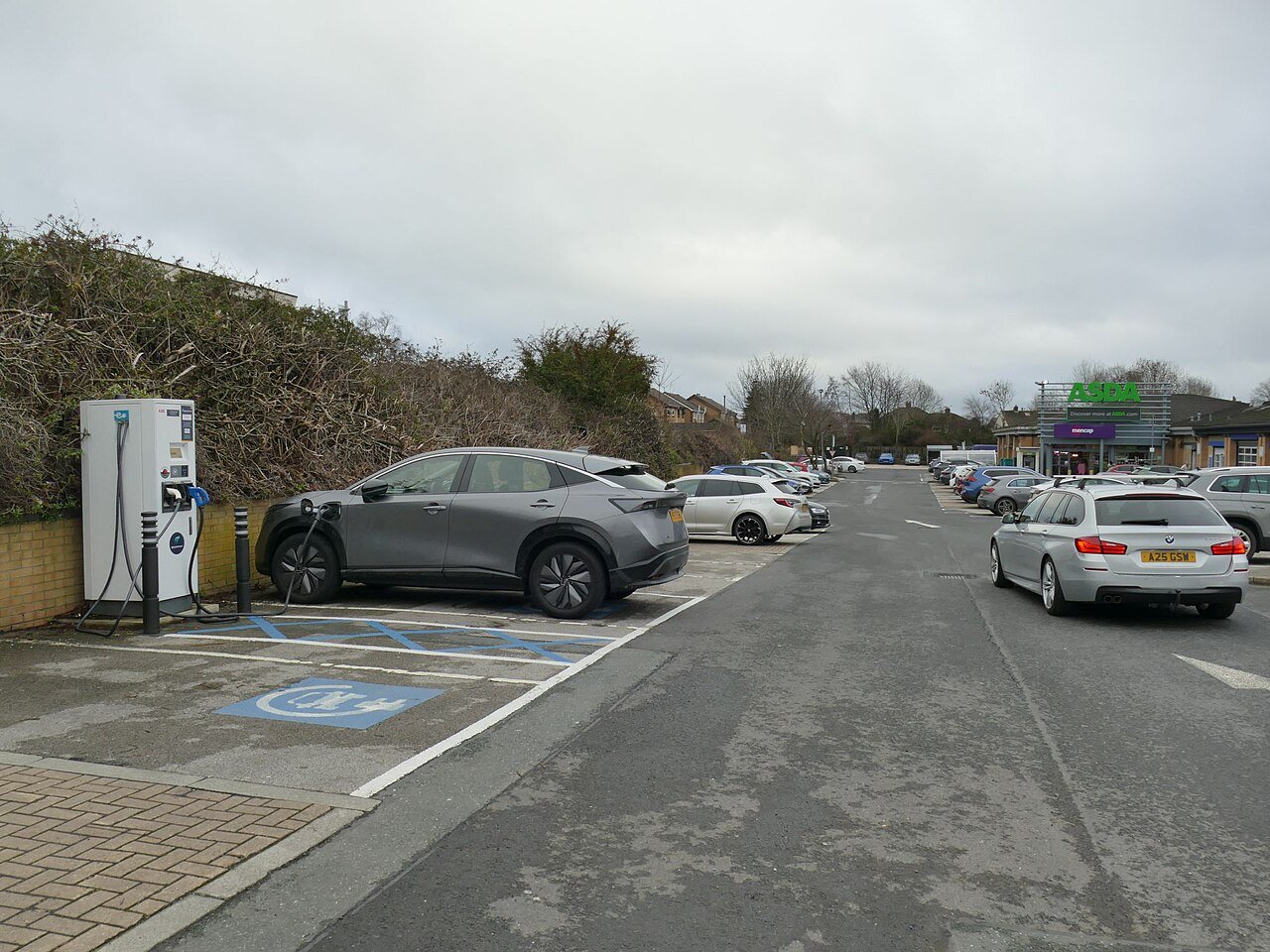
The electric vehicles 2026 USA market has crossed a tipping point. Over 1.2 million EVs were sold in America last year, and 2026 is on track to beat that by another 20%. But here’s what the headlines miss: the growth isn’t evenly distributed. California and New York are EV havens. Wyoming? Not so much.
According to Reuters data, EVs now account for roughly 10% of all new car sales in the US. That’s still behind Europe and China, but the gap is closing. The Inflation Reduction Act incentives continue to drive adoption, even as the rules around battery sourcing get stricter.
Honestly, I think the biggest story isn’t the new cars — it’s the charging network. Tesla opening Superchargers to non-Tesla EVs changed everything. You can now drive coast-to-coast in most EVs without range anxiety, as long as you stick to major highways.
The Best New EV Models for 2026
Let’s get into the cars themselves. The electric vehicles 2026 USA lineup is the most diverse ever. There’s genuinely something for every budget and need.
1. Tesla Model Y (Refresh) — Still the best-selling EV in America, and the 2026 refresh adds a bigger battery (82 kWh), improved interior materials, and a quieter cabin. Range is now 340 miles for the Long Range model. Starting at $42,990 before incentives.
2. Chevrolet Equinox EV — GM’s most affordable EV starts at just $33,900. With the full $7,500 tax credit, you’re looking at $26,400. That’s cheaper than most gas SUVs. Range is a solid 319 miles. The interior is simple but functional.
3. Hyundai Ioniq 6 — This sedan is a design standout with incredible efficiency. The Long Range model hits 361 miles on a charge — one of the best in any price class. It charges from 10% to 80% in just 18 minutes at a fast charger. Starting at $41,450.
Let’s be real here: if you’re cross-shopping these three, the Equinox wins on price, the Hyundai wins on range and charging speed, and the Tesla wins on software and charging network access. There’s no wrong answer — just different priorities.
4. Ford F-150 Lightning (2026) — The electric truck market is heating up, but Ford’s Lightning remains the most practical choice for most truck buyers. The 2026 model gets a bigger battery option with 370 miles of range and a 2,000-pound payload capacity. Starting at $49,995.
5. Rivian R2 — The smaller, more affordable Rivian starts at $45,000 and delivers 300+ miles of range. It’s the adventure-ready EV that doesn’t cost six figures. Pre-orders are already backed up through summer 2026.
For tech-savvy buyers, don’t miss our best budget smartphones 2026 guide — many new EVs pair beautifully with modern phones for digital key access and route planning.
Charging Infrastructure: The Real Story
Here’s where the electric vehicles 2026 USA experience gets complicated. The charging network has improved massively — there are now over 190,000 public charging ports across the country. But coverage is deeply uneven.
If you live in a metro area or drive major interstate highways, you’re fine. Tesla’s Supercharger network (now open to all EVs with NACS adapters) plus Electrify America and EVgo provide reliable coverage. But venture into rural America and gaps appear fast. The BBC highlighted this divide, noting that some rural counties still have zero public chargers.
At home, Level 2 charging (240V) covers most daily needs. You plug in at night and wake up full. A 240V outlet installation costs $500-1,500 depending on your electrical panel. Most EV owners charge at home 90% of the time and only use public chargers on road trips.
Honestly, I think the charging conversation is overblown for most people. If you have a garage or driveway, you’ll almost never need public chargers. The real problem is for apartment dwellers — and that’s where workplace and public Level 2 charging needs the most investment.
What EVs Actually Cost in 2026
The electric vehicles 2026 USA price range is wider than ever. You can spend $26,000 on a Chevy Equinox EV after credits, or $100,000+ on a luxury model. Let’s break down what you actually pay:
New EVs under $35,000 (before credits): Chevy Equinox EV, Nissan Leaf, Volkswagen ID.4 base. New EVs $35,000-$50,000: Tesla Model 3/Y, Hyundai Ioniq 5/6, Kia EV6. New EVs $50,000+: Ford Lightning, Rivian R1S, BMW iX, Mercedes EQS.
But the real story is total cost of ownership. EVs save money on fuel ($12-15 to “fill up” vs $40-60 for gas), maintenance (no oil changes, fewer brake replacements), and some states offer reduced registration fees. Over 5 years, most EVs save $4,000-8,000 compared to gas equivalents.
Battery Technology That Changes the Game
Battery tech is evolving fast, and the electric vehicles 2026 USA market benefits directly. Solid-state batteries are finally entering limited production. Toyota and Samsung SDI have pilot lines running, with mass production expected by 2027-2028.
For now, lithium iron phosphate (LFP) batteries are the big story. They’re cheaper, last longer (3,000+ charge cycles), and don’t use cobalt or nickel. Tesla, Hyundai, and Ford are all using LFP in their standard-range models. This is why prices keep dropping.
Battery degradation is also less of a concern than people think. Modern EV batteries retain 85-90% capacity after 150,000 miles. That means a 320-mile-range car still goes 270+ miles a decade later. Not bad at all.
Let’s be real here: battery anxiety is the new range anxiety. But the data shows it’s mostly unfounded. The batteries last longer than most people keep their cars.
For more on how technology is reshaping industries, check out our coverage of AI-generated content in 2026 — another space where rapid advancement is changing the rules.
Why Used EVs Are the Smart Play
Used EV prices have dropped roughly 30% since their 2022 peak. You can now get a 2022 Tesla Model 3 with 30,000 miles for about $22,000. A 2023 Hyundai Ioniq 5? Around $28,000. These are genuinely good cars at prices that compete with used gas vehicles.
The electric vehicles 2026 USA used market is where the value is. Federal used EV tax credits of up to $4,000 apply to cars under $25,000. That brings a used Model 3 down to $18,000. For a car that costs $12 to charge and needs almost no maintenance? That’s hard to beat.
EV vs Gas: True Cost Comparison
| Cost Factor | EV (5 years) | Gas Car (5 years) | Difference |
|---|---|---|---|
| Purchase price | $34,000 | $30,000 | +$4,000 |
| Fuel/energy | $3,600 | $9,000 | -$5,400 |
| Maintenance | $1,800 | $4,500 | -$2,700 |
| Insurance | $6,500 | $5,500 | +$1,000 |
| Tax credits | -$7,500 | $0 | -$7,500 |
| Total | $38,400 | $49,000 | Save $10,600 |
That’s a $10,600 savings over five years with the EV. And this is a conservative estimate — many EV owners save even more.
Insurance and Maintenance Realities
EV insurance costs about 15-20% more than gas cars on average. Why? Repairs are pricier, parts are specialized, and there are fewer qualified shops. But this gap is shrinking as more mechanics get trained and parts supplies improve.
Maintenance, on the other hand, is dramatically cheaper. No oil changes, no transmission fluid, no spark plugs, and regenerative braking means brake pads last 2-3x longer. The main expenses are tires (EVs are heavy and eat tires faster) and cabin air filters.
Honestly, I think people overestimate both the insurance penalty and the maintenance savings. They matter, but they’re not the main reason to go electric. The fuel savings and tax credits are the big wins.
For more insights on financial trends, see our piece on cryptocurrency regulations 2026 — another space where policy shapes what’s possible.
Comparison Table: Top Electric Vehicles 2026 USA
| Model | Starting Price | Range | Fast Charge (10-80%) | Best For |
|---|---|---|---|---|
| Tesla Model Y | $42,990 | 340 mi | 25 min | Overall best |
| Chevy Equinox EV | $33,900 | 319 mi | 35 min | Best budget |
| Hyundai Ioniq 6 | $41,450 | 361 mi | 18 min | Best range |
| Ford F-150 Lightning | $49,995 | 370 mi | 38 min | Best truck |
| Rivian R2 | $45,000 | 300+ mi | 30 min | Best adventure |
Frequently Asked Questions
Are electric vehicles 2026 USA models worth buying now?
Yes, especially with tax credits and falling prices. The technology has matured enough that range and charging are no longer dealbreakers for most buyers. If you have home charging access, there’s really no reason to wait.
How long do EV batteries last in 2026?
Modern EV batteries retain 85-90% capacity after 150,000 miles. Most manufacturers warranty batteries for 8 years or 100,000 miles. Real-world data shows many batteries outlasting the cars they’re in.
Can I charge an EV at a regular outlet?
Yes, but slowly. A standard 120V outlet adds about 3-5 miles of range per hour. For daily charging, a 240V Level 2 setup (like a dryer outlet) is much better, adding 25-30 miles per hour.
What happens to EV batteries when they die?
Battery recycling is scaling up quickly. Companies like Redwood Materials and Li-Cycle recover 95%+ of battery metals for reuse. Old EV batteries also get second lives as grid storage before recycling.
Do electric vehicles work in cold weather?
They work, but range drops 15-25% in very cold weather. Heat pumps (standard in most 2026 models) help reduce this loss. Preconditioning the cabin while plugged in also helps a lot.
Your turn: Are you considering an EV in 2026, or still on the fence? Tell me what’s holding you back in the comments — I’ll give you my honest take on whether it’s a real concern or just a myth.
Written by the NowGoTrending team. We break down the trends that matter so you can make smarter decisions. For more automotive and tech coverage, visit our Technology section.
This article is for informational purposes only. While we strive for accuracy, details may change. NowGoTrending may earn commissions from affiliate links at no extra cost to you.
💡 Our Top Picks — Best Deals Available Now
We may earn a commission if you purchase through these links. Affiliate Disclosure