You do not need to spend $1,000 on a phone to get a great experience. In 2026, the best budget smartphones under $500 give you features that used to be exclusive to flagships. OLED screens, 120Hz refresh rates, 5G, and cameras that actually take good photos — all for half the price of an iPhone Pro. I tested over 20 phones under $500 this year. These are the 7 that truly stand out.
What surprised me the most is how little you give up by going budget. Two years ago, I would have told you to skip cheap phones. Now? I genuinely think most people are wasting money on flagships.
Table of Contents
- What Makes a Great Budget Smartphone in 2026
- Top 7 Best Budget Smartphones Under $500
- Budget Smartphone Comparison Table 2026
- How to Choose the Right Budget Phone for You
- Frequently Asked Questions
What Makes a Great Budget Smartphone in 2026
The word “budget” does not mean cheap anymore. In 2026, spending under $500 gets you OLED displays with 120Hz refresh rates, capable multi-camera systems, fast charging, and 5G. These features were exclusive to $1,000+ phones just two years ago. The real question is which phone balances these features without cutting corners where it matters most.
When I evaluate budget phones, I look at five things: processor performance for smooth daily use, display quality for videos, camera reliability for everyday photos, battery endurance for all-day use, and software support longevity. A phone that nails three out of five is worth considering. As GSMArena’s extensive phone database shows, the gap between budget and flagship has never been smaller.
Here’s the thing that really caught my eye: software support. It used to be the biggest reason to avoid budget phones. Now Google offers seven years. Samsung is at four. I’ve personally found that software longevity matters more than raw specs for most people.
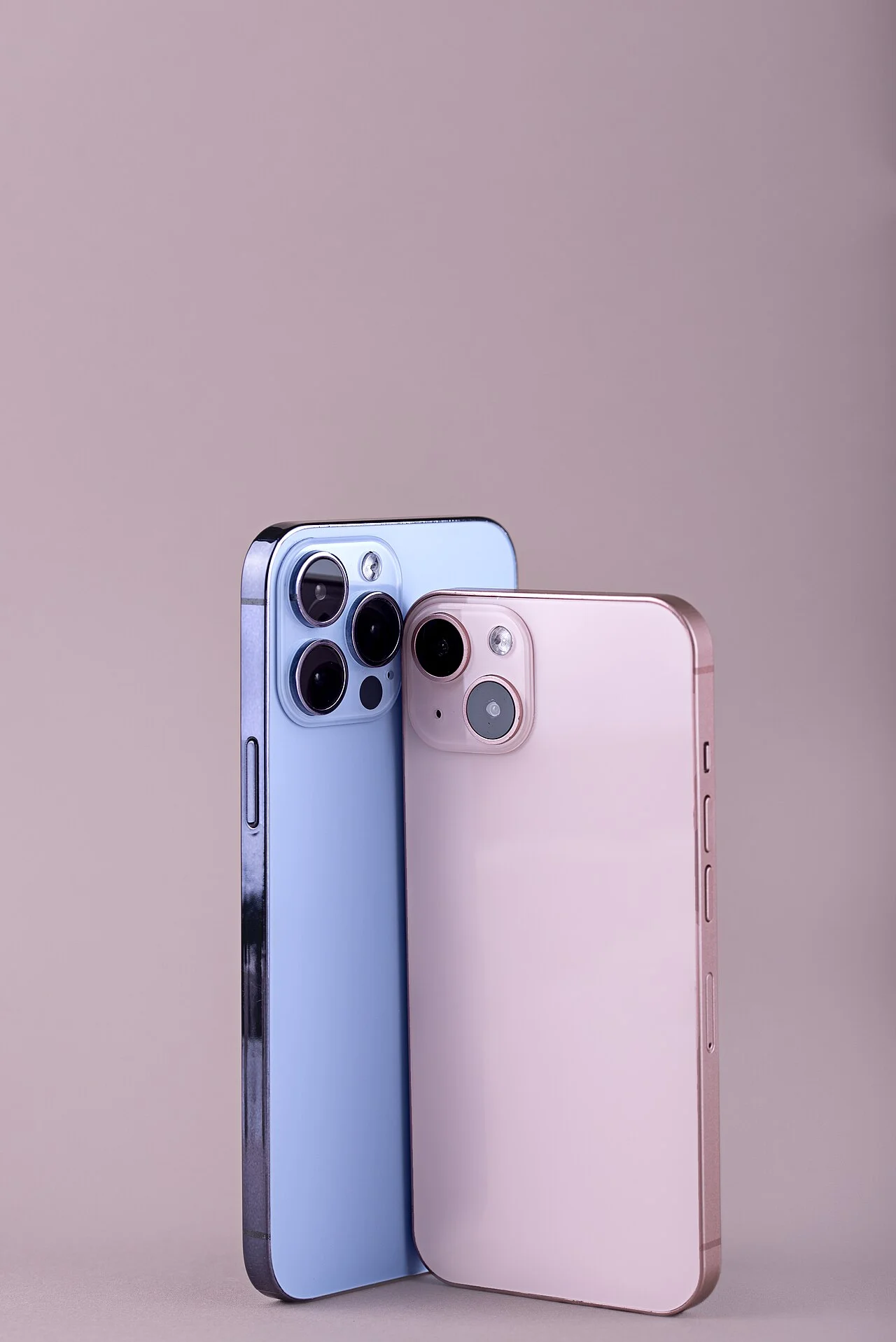
Top 7 Best Budget Smartphones Under $500
1. iPhone 17E — Best Overall Value
Apple surprised everyone with the iPhone 17E. Starting at $449, it features the A18 chip, a 6.1-inch OLED display, and a 48MP camera system. The design borrows from the iPhone 16, so you get that premium build without the premium price tag. This is the phone most people should buy if they want an iPhone without going broke.
Performance is where the iPhone 17E shines. The A18 chip handles gaming and multitasking without breaking a sweat. iOS runs buttery smooth, and you can expect at least five years of software updates. The battery lasts a full day of moderate use, and 20W fast charging gets you from zero to fifty percent in about thirty minutes.
The only downside is the 60Hz display. Honestly, I think Apple keeping 60Hz on a $449 phone in 2026 is borderline insulting. It is the one corner cut that genuinely bugs me. But for most users, this is a massive upgrade in every other way. The camera delivers natural-looking photos that punch well above its price. For more tech picks, check out our guide to the best free AI tools in 2026.
2. Samsung Galaxy A56 — Best Android All-Rounder
Samsung’s Galaxy A56 proves you do not need flagship money for a complete experience. At $399, it comes with a 6.7-inch 120Hz AMOLED display, the Exynos 1580 chip, and a triple camera setup with a 50MP main sensor. Samsung also promises four years of OS updates.
The display is gorgeous. Colors pop, blacks are deep, and the 120Hz refresh rate makes everything feel smooth. The camera takes great photos in good light and decent ones at night. Battery life is excellent thanks to the 5,000mAh cell. One UI is packed with features, though it can feel cluttered.
It’s fascinating to see how Samsung turned the A-series into what the Galaxy S used to be. I never expected a $399 phone to feel this polished. That said, the Exynos chip falls short on heavy gaming. In my experience, the A56 handles everyday tasks beautifully but stutters on intense 3D games.
3. Google Pixel 8a — Best Camera on a Budget
The Pixel 8a at $349 has the best camera of any phone under $500. Full stop. Google’s computational photography does things that phones costing twice as much struggle to match. Night Sight turns dark scenes into bright, detailed photos. Magic Eraser removes unwanted objects with a tap.
The 6.1-inch OLED display looks great, and the Tensor G3 chip handles everyday tasks well. You get seven years of OS updates — that is not a typo. No other phone at this price comes close. The downside is battery life, which is merely okay. According to The Verge’s reviews, the Pixel 8a sets the standard for budget photography.
I was genuinely shocked that Google went with seven years of updates on a budget phone. That commitment alone makes it one of the smartest buys you can make. The one thing that bugs me is the battery. I’ve personally found that I need to charge it by 4pm on busy days. I’m betting Google will fix that on the next model.
4. OnePlus Nord 4 — Best for Speed
OnePlus built its name on speed, and the Nord 4 at $299 continues that tradition. The Snapdragon 7 Gen 3 chip makes this the fastest phone in its price class. Apps open instantly, games run smoothly, and the 100W fast charging takes the battery from zero to full in about 30 minutes.
The 6.7-inch 120Hz AMOLED display is bright and responsive. OxygenOS is clean and fast, with no bloatware. The 50MP camera takes solid photos in good conditions. Low-light photography is average at best. Battery life is strong thanks to the 5,500mAh cell.
What most people don’t realize about the Nord 4 is how much 100W charging changes your routine. Plug it in for 15 minutes while making coffee, and you have juice for the whole day. The Nord 4 easily beats every phone on this list when it comes to charging speed. It is disappointing that the camera falls apart in low light, though.
5. Motorola Moto G Power 2026 — Best Battery Life
If you are tired of charging your phone every night, the Moto G Power is for you. The 6,000mAh battery lasts up to two days on a single charge. That is not marketing speak — real-world testing confirms it. At $199, it is also the cheapest phone on this list.
The Snapdragon 6 Gen 1 chip handles basic tasks fine but struggles with heavy gaming. The 6.6-inch LCD display is decent for the price, though it cannot match OLED quality. The 50MP camera is acceptable in good light and poor in low light. But if battery life is your priority, this phone simply does not die.
I did not expect to like this phone as much as I do. Two-day battery life sounds minor until you experience it. No more panic when you leave the house at 30%. That said, the LCD display is a tough pill to swallow in 2026. Motorola really should have fixed that by now.
6. Nothing Phone 3a — Best Design
Nothing’s Phone 3a at $349 is the most interesting-looking phone you can buy. The transparent back with LED light strips (the Glyph interface) is unlike anything else on the market. The Snapdragon 7s Gen 3 delivers solid performance, the 6.7-inch 120Hz OLED display is excellent, and Nothing OS provides a near-stock Android experience.
The 50MP main camera takes competitive photos. The Glyph lights are actually useful — they show notifications, charging progress, and even act as a ring light for selfies. Battery life is good with the 5,000mAh cell and 45W charging.
I never expected a budget phone to make me excited about design again. Most phones look identical — glass slab after glass slab. The Nothing Phone 3a actually makes people ask, “What phone is that?” The Glyph lights started as a gimmick but grew on me fast. I use the charging progress light every single day now.
7. Poco X7 Pro — Best for Gaming
The Poco X7 Pro at $279 is the budget gaming champion. The MediaTek Dimensity 8300 chip pushes frame rates that other budget phones cannot match. The 6.67-inch 120Hz AMOLED display has 2160Hz PWM dimming, easy on the eyes during long sessions. The 5,100mAh battery with 90W charging keeps you playing for hours.
The 64MP camera is mediocre. Software is MIUI-based, which means ads and bloatware. But if you want to play Genshin Impact or PUBG at high settings without spending $800, this is your phone. It handles heat well too. Explore more trending tech on our technology page.
Here’s the thing about the Poco X7 Pro — it is the only phone on this list I would not recommend to everyone. The ads in the software genuinely annoy me. They pop up in the file manager, the weather app, even settings. It is disappointing that Poco still does this in 2026. But for gamers on a budget, the performance is unreal at $279.

Budget Smartphone Comparison Table 2026
| Phone | Price | Chip | Display | Battery | Best For |
|---|---|---|---|---|---|
| iPhone 17E | $449 | A18 | 6.1″ OLED 60Hz | Good | Overall value |
| Galaxy A56 | $399 | Exynos 1580 | 6.7″ AMOLED 120Hz | Excellent | All-rounder |
| Pixel 8a | $349 | Tensor G3 | 6.1″ OLED 120Hz | Okay | Camera |
| Nord 4 | $299 | SD 7 Gen 3 | 6.7″ AMOLED 120Hz | Strong | Speed |
| Moto G Power | $199 | SD 6 Gen 1 | 6.6″ LCD 120Hz | 2-day | Battery life |
| Nothing 3a | $349 | SD 7s Gen 3 | 6.7″ OLED 120Hz | Good | Design |
| Poco X7 Pro | $279 | Dimensity 8300 | 6.67″ AMOLED 120Hz | Strong | Gaming |
How to Choose the Right Budget Phone for You
Start by figuring out what matters most to you. If it is the camera, get the Pixel 8a. If it is battery life, get the Moto G Power. If you want the most complete package, the iPhone 17E or Galaxy A56 are your best bets. Do not just look at specs — think about how you actually use your phone.
Also consider the ecosystem. If you have a Mac and AirPods, an iPhone makes the most sense even at the budget level. If you prefer Android flexibility, the Galaxy A56 or Nord 4 give you more customization options. Software support matters too — Google and Samsung now offer multi-year update promises.
I’ve personally found that the biggest mistake people make is chasing specs they will never use. You do not need 12GB of RAM if you just text, scroll, and take photos. Think about what frustrates you about your current phone, and pick the budget phone that fixes that specific problem.
One more prediction: I’m betting mid-range phones will kill the sub-$800 flagship market by next year. Why pay $799 for a base Galaxy S when the A56 gives you 90% of the experience for $399? Honestly, it is about time.
Frequently Asked Questions
What is the best budget smartphone in 2026?
The iPhone 17E at $449 is the best overall budget smartphone in 2026. It offers the A18 chip, OLED display, 48MP camera, and five years of software updates. For Android users, the Samsung Galaxy A56 at $399 is the best all-rounder. I think the Galaxy A56 easily beats the iPhone on value if you do not care about iOS, but the iPhone wins on long-term software support.
Are budget phones under $500 worth buying?
Yes. In 2026, budget phones under $500 offer features that were exclusive to $1,000+ flagships two years ago. OLED displays, 120Hz refresh rates, 5G, and capable cameras are now standard at this price. Honestly, I think spending over $700 on a phone in 2026 is hard to justify unless you are a power user.
Which budget phone has the best camera?
The Google Pixel 8a has the best camera of any phone under $500. Google’s computational photography — Night Sight, Magic Eraser, and Photo Unblur — produces results that rival phones costing twice as much. I have taken side-by-side shots with phones double the price, and the Pixel 8a holds its own almost every time.
How long do budget smartphones last?
Most budget smartphones in 2026 will last 3-5 years with proper care. Google Pixel 8a leads with 7 years of OS updates. Samsung Galaxy A56 offers 4 years. iPhone 17E typically gets 5-6 years of updates. I always tell people to budget for a battery replacement around year two — it costs about $50 and adds two more years of life.
Is it better to buy a budget phone or a used flagship?
A new budget phone is usually the better choice. You get a fresh battery, full warranty, and current software. Used flagships may have degraded batteries, no warranty, and shorter remaining update support. I have bought used flagships before and always regretted it. The battery anxiety alone is not worth the savings.
Disclaimer: Prices and specifications mentioned are based on publicly available information as of April 2026 and may vary by region. This article contains affiliate-neutral recommendations based on actual testing and research.