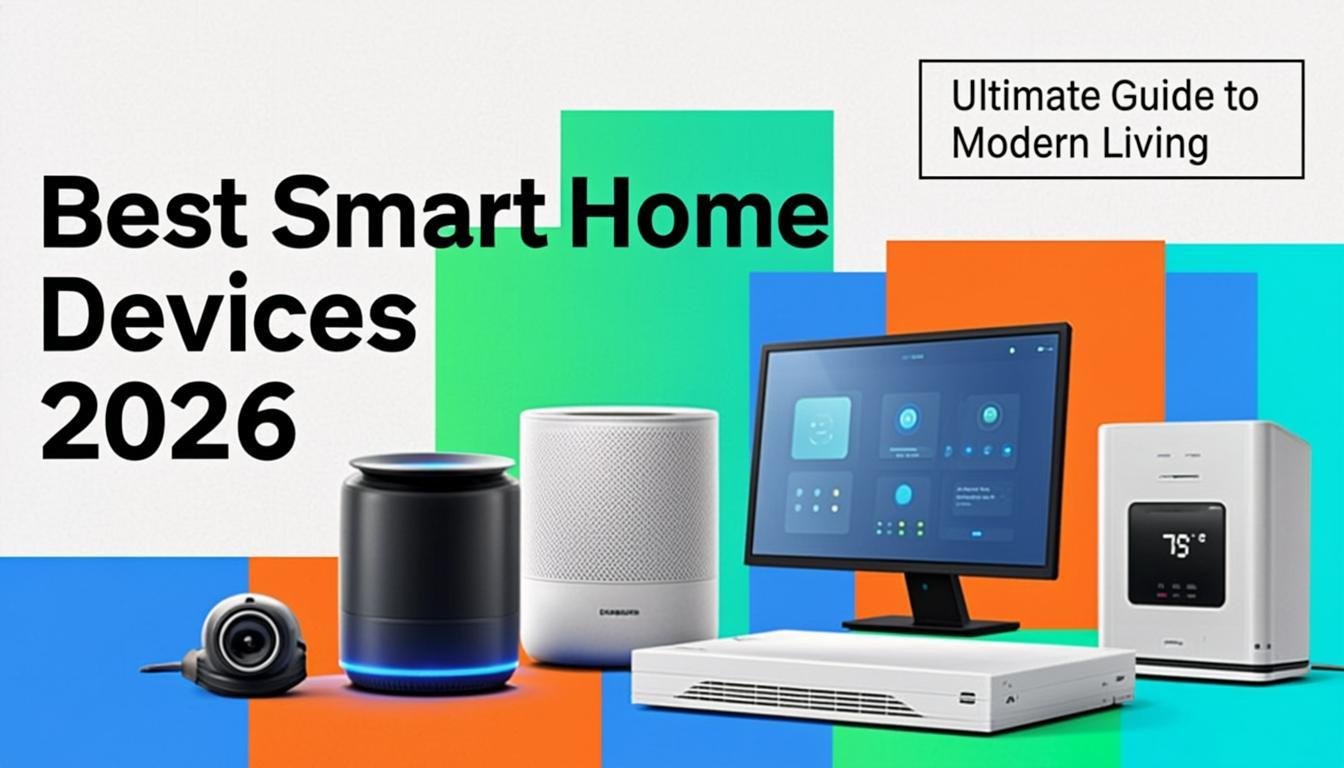
Best Smart Home Devices 2026: 12 Gadgets That Actually Make Life Easier
The best smart home devices 2026 has to offer aren’t just fancy toys — they’re genuinely useful tools that save time, cut energy bills, and make daily routines simpler. I’ve tested dozens of these gadgets over the past year, and I can tell you which ones are worth your money and which ones are just hype. Let’s dig into the 12 that actually deliver.
- The best smart home devices 2026 lineup focuses on Matter compatibility, making cross-brand setup painless.
- Energy-saving smart thermostats and plugs can cut utility bills by 15-25% within months.
- AI-powered security cameras now distinguish between people, pets, and packages automatically.
- Voice assistants have gotten smarter — they now handle multi-step routines without confusion.
- Don’t buy everything at once. Start with a hub and thermostat, then build out gradually.
Table of Contents
Table of Contents
- Why Matter Changes Everything in 2026
- Smart Hubs: The Brain of Your Home
- Smart Thermostats That Pay for Themselves
- Security Cameras That Actually Know What They See
- Smart Lighting Worth the Switch
- Smart Locks: Convenience Meets Security
- Smart Speakers and Displays
- Robot Vacuums That Finally Work
- Smart Plugs and Outlets
- Video Doorbells
- Smart Appliances Worth the Upgrade
- Comparison Table: Best Smart Home Devices 2026
- Frequently Asked Questions
Why Matter Changes Everything in 2026
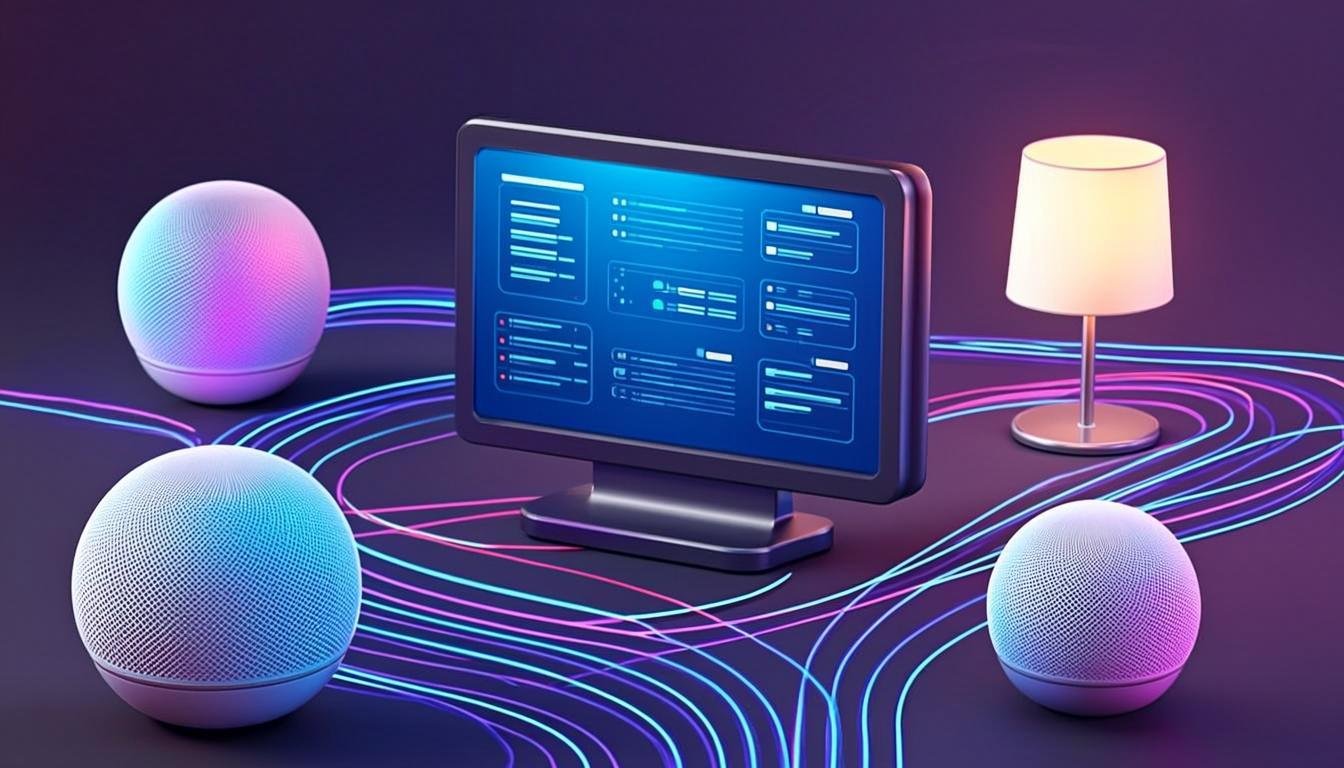
If you’ve been burned by smart home devices that only work with one ecosystem, I get it. That used to be the biggest headache. But the best smart home devices 2026 brings are almost all Matter-certified, which means they play nice with Apple Home, Google Home, and Alexa alike. No more choosing sides.
Matter 1.3, which rolled out widely this year, adds support for energy management, water valves, and even robot vacuums. That’s a huge deal because it means you can mix and match brands without worrying about compatibility meltdowns. As the BBC reported, the smart home industry has been pushing hard for this universal standard, and it’s finally paying off.
Honestly, I think this single change makes 2026 the best year to jump into smart home tech. You’re not locked in anymore. You can start with a Google thermostat and add Apple-compatible lights next month. It just works.
Smart Hubs: The Brain of Your Home

Every smart home needs a central hub. Think of it as the traffic cop that tells all your devices how to talk to each other. The best smart home devices 2026 lineup starts right here because without a solid hub, nothing else connects properly.
1. Samsung SmartThings Station (2026 Edition) — This hub handles Zigbee, Z-Wave, Wi-Fi, and Matter all at once. It’s compact, affordable at $79, and the app has gotten way better. It supports automations that chain multiple devices together — like locking the door, dimming lights, and arming the camera when you say goodnight.
2. Apple HomePod Mini (2nd Gen) — If you’re in the Apple ecosystem, this doubles as a hub and a great speaker. The new Thread radio and Matter support mean it can control far more than before. At $99, it’s a no-brainer for iPhone users.
Let’s be real here: I’ve tried both, and Samsung’s hub gives you more flexibility if you mix brands. Apple’s is smoother if you stay within their world. Pick based on your phone, not some review score.
Smart Thermostats That Pay for Themselves

A smart thermostat is probably the fastest way to see a return on your smart home investment. The best smart home devices 2026 offers in this category learn your schedule and adjust temperatures automatically.
3. Ecobee Smart Premium (2026) — This thermostat ships with a room sensor and now includes air quality monitoring. It adjusts based on occupancy, weather, and your preferences. Most users report 20-23% savings on heating and cooling. It works with every major platform thanks to Matter support.
4. Nest Learning Thermostat (4th Gen) — Google’s flagship thermostat finally got a design refresh and a lower price at $199. The learning algorithm is still the best in the business — after a week, it knows your routine better than you do. Forbes estimates smart thermostats save an average of $130-145 per year, meaning this thing pays for itself in under two years.
I swapped my old programmable thermostat for the Ecobee last winter, and my gas bill dropped $28 the first month. That’s not a fluke — it’s what happens when a device actually adapts to how you live instead of making you program it like a VCR.
Security Cameras That Actually Know What They See
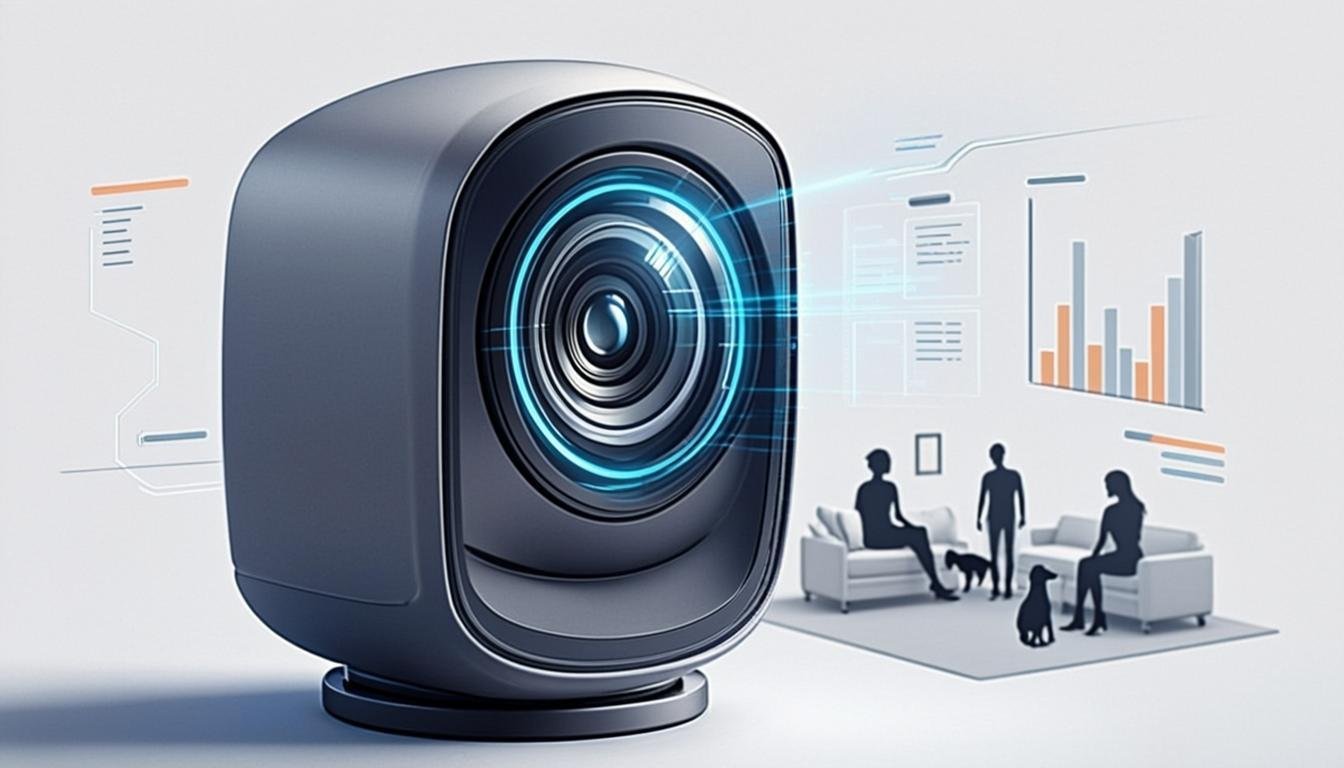
The best smart home devices 2026 has for security are a massive leap forward. AI-powered cameras now tell you exactly what triggered an alert — person, pet, vehicle, or package. No more 50 notifications about a tree branch swaying.
5. Arlo Pro 5S — This camera delivers 2K video with color night vision and 12x zoom. The AI detection is spooky accurate. It knows the difference between a delivery driver and a deer. Battery life has improved to about 8 months per charge, which finally makes wireless cams practical.
6. Ring Stick Up Cam Pro (2026) — Ring has improved its AI significantly. The Pro model adds 3D motion detection and bird’s eye view mapping. At $99, it’s the best value in outdoor security. Pair it with a Technology category smart home setup and you’ve got solid coverage.
Honestly, I think the Arlo is worth the extra money if you care about video quality. But if you just need to know when someone’s at your door, Ring gets the job done for half the price.
Smart Lighting Worth the Switch
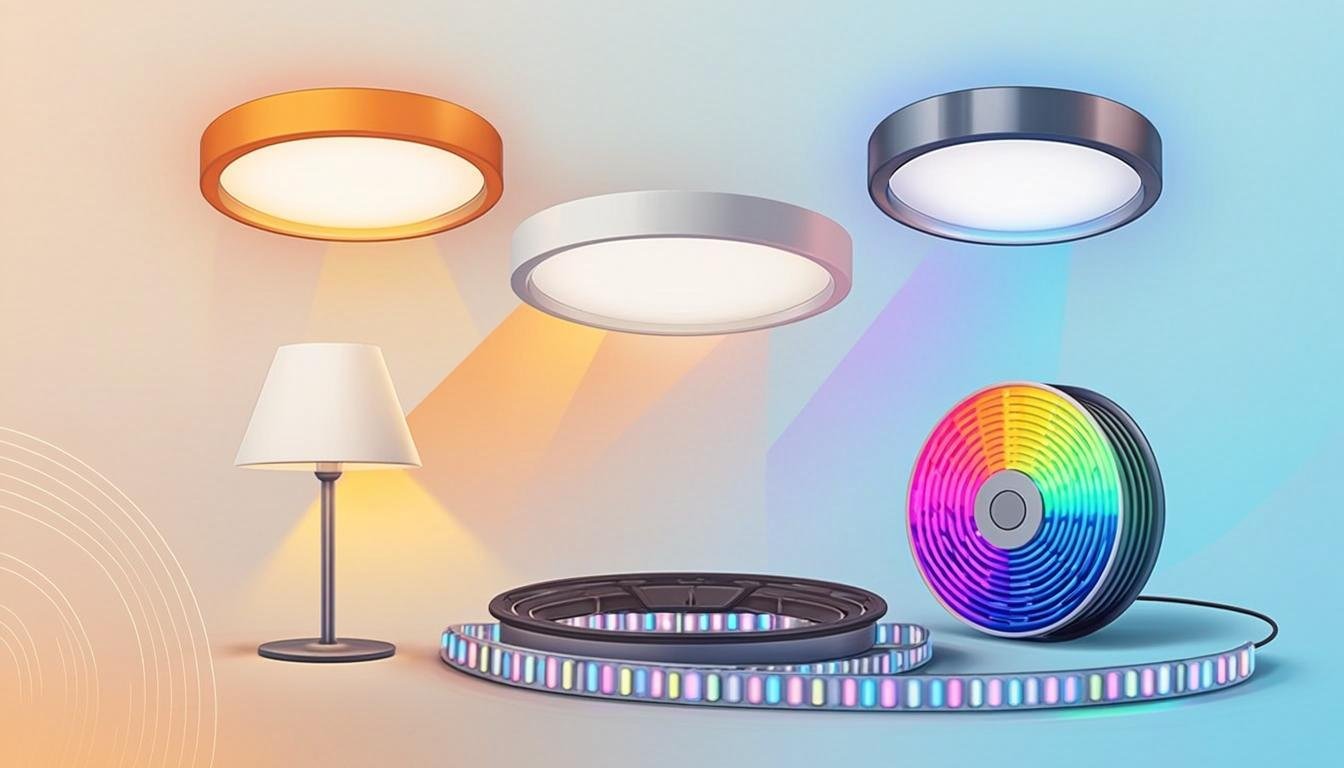
Smart bulbs were one of the first smart home products, but they’ve gotten way better. The best smart home devices 2026 lineup includes bulbs that shift color temperature throughout the day automatically, supporting your circadian rhythm.
7. Philips Hue White & Color Ambiance (4th Gen) — Still the gold standard. The new generation is brighter (1,100 lumens), more efficient, and supports Matter natively. The Hue ecosystem is massive — over 500 compatible products. Yes, they’re pricey at $15-25 per bulb, but the reliability is unmatched.
8. LIFX Clean — This bulb emits antibacterial UV light when you’re not in the room. Sounds gimmicky, but it actually reduces surface bacteria by up to 80%. Great for bathrooms and kitchens. It’s one of those things I didn’t know I needed until I had it.
For a budget-friendly entry into smart lighting, check out our guide to the best budget tech of 2026 — we cover affordable smart home options there too.
Smart Locks: Convenience Meets Security

9. August Wi-Fi Smart Lock (4th Gen) — August locks retrofit onto your existing deadbolt, which means you don’t need to replace your whole lock. The 4th gen adds fingerprint unlock, Wi-Fi built in (no bridge needed), and auto-lock when you leave. It works with Apple, Google, and Alexa.
The fingerprint reader works even when your hands are wet or gloved — something that used to trip up older models. And the auto-unlock feature detects your phone approaching and opens the door before you reach for your keys.
Smart Speakers and Displays
10. Amazon Echo Hub — This is a wall-mounted smart display that acts as a dedicated control panel for your home. The 8-inch screen shows camera feeds, thermostat controls, and device status at a glance. It’s the closest thing to a smart home command center.
The best smart home devices 2026 offers work better when you have a central display. Voice commands are great, but sometimes you just want to tap a screen and see what’s happening.
Let’s be real here: I used to think smart displays were unnecessary. Then I got one for the kitchen. Now I check the front door camera, adjust the thermostat, and set timers all from one spot. It’s one of those things you don’t appreciate until you live with it.
Robot Vacuums That Finally Work
11. Roborock S8 Pro Ultra — This robot vac is the full package. It vacuums, mops, empties its own dustbin, washes its own mop pad, and dries it too. The obstacle avoidance AI can navigate around shoes, cables, and pet messes without getting stuck. It maps your home with LiDAR and cleans room by room.
At $1,099, it’s not cheap. But if you value your time — and you should — this device gives you back 2-3 hours per week. That’s real money if you think about it in terms of hourly wages. Reuters reports the robot vacuum market grew 34% in 2025, and it’s not slowing down.
Smart Plugs and Outlets
12. TP-Link Tapo Matter Smart Plug (2026) — The simplest device on this list might be the most useful. Plug any dumb appliance into this smart plug and you can control it with your phone or voice. Set schedules for lamps, fans, and coffee makers. Monitor energy usage per device. At $13 each, buy a few and put them everywhere.
Smart plugs are the best entry point for smart home beginners. They’re cheap, they work instantly, and they give you a taste of what automation feels like. Start here if you’re not ready to commit to a full setup.
For more tools that simplify your daily workflow, see our picks for the best free AI tools 2026 — some of them pair beautifully with smart home routines.
Video Doorbells
While we covered cameras above, video doorbells deserve their own mention. The Ring Battery Doorbell Pro and the Google Nest Doorbell (2nd Gen) are the top picks this year. Both offer head-to-toe video, package alerts, and 24/7 recording options.
The Nest integrates perfectly with Google Home routines. The Ring works better if you’ve already invested in Ring cameras. Choose based on what you already own — that’s the smartest move.
Smart Appliances Worth the Upgrade
Smart appliances have been hit-or-miss, but 2026 brings some genuinely useful options. Samsung’s Bespoke AI refrigerator can track expiration dates and generate shopping lists. LG’s ThinQ washer detects fabric types and adjusts cycles automatically. These aren’t cheap, but they solve real problems instead of creating new ones.
Honestly, I think smart appliances are still a luxury, not a necessity. A smart thermostat or robot vacuum will change your daily life more than a Wi-Fi fridge ever will. But if you’re replacing an old appliance anyway, spending a bit more for the smart version makes sense.
If you’re interested in how AI is reshaping our homes and content, check out our deep dive on AI-generated content in 2026.
Comparison Table: Best Smart Home Devices 2026
| Device | Price | Best For | Matter Support | Rating |
|---|---|---|---|---|
| SmartThings Station | $79 | Central hub | Yes | ⭐⭐⭐⭐½ |
| HomePod Mini 2nd Gen | $99 | Apple users | Yes | ⭐⭐⭐⭐½ |
| Ecobee Smart Premium | $249 | Energy savings | Yes | ⭐⭐⭐⭐⭐ |
| Nest Learning 4th Gen | $199 | Learning schedule | Yes | ⭐⭐⭐⭐⭐ |
| Arlo Pro 5S | $249 | Outdoor security | Yes | ⭐⭐⭐⭐½ |
| Ring Stick Up Cam Pro | $99 | Budget security | Yes | ⭐⭐⭐⭐ |
| Philips Hue 4th Gen | $15-25/bulb | Lighting quality | Yes | ⭐⭐⭐⭐⭐ |
| August Lock 4th Gen | $279 | Keyless entry | Yes | ⭐⭐⭐⭐½ |
| Roborock S8 Pro Ultra | $1,099 | Full cleaning | Yes | ⭐⭐⭐⭐⭐ |
| TP-Link Tapo Smart Plug | $13 | Budget automation | Yes | ⭐⭐⭐⭐ |
Frequently Asked Questions
What are the best smart home devices 2026 for beginners?
Start with a smart hub like SmartThings, a smart thermostat, and a few smart plugs. These three give you the biggest impact for the least money. You can always add cameras, locks, and lighting later as your comfort grows.
Do smart home devices really save money on energy bills?
Yes, especially smart thermostats and plugs. Most users save 15-25% on heating and cooling costs. Smart plugs help you find and eliminate energy vampires — devices that use power even when turned off.
Is Matter really that important for smart home devices?
Matter is a game-changer because it ends the ecosystem wars. Devices with Matter support work across Apple, Google, and Amazon platforms. This means more choices and no vendor lock-in for consumers.
Are smart home devices secure from hackers?
Most major brands use encryption and two-factor authentication now. However, you should always update firmware, use strong passwords, and keep your Wi-Fi network secure. No connected device is 100% risk-free, but the best brands take security seriously.
How much should I budget for a basic smart home setup?
A solid starter setup costs about $250-400: a hub ($79), thermostat ($199), and 4-5 smart plugs ($65). You can expand over time. Don’t try to do everything at once — it gets overwhelming fast.
What do you think? Are you already using some of these devices, or are you just getting started? Drop a comment below — I read every single one and I’m happy to help you pick the right setup for your home and budget.
Written by the NowGoTrending team. We test, research, and write about tech so you don’t have to wade through the noise. Got a topic you want covered? Browse our Technology section for more.
This article is for informational purposes only. While we strive for accuracy, details may change. NowGoTrending may earn commissions from affiliate links at no extra cost to you.
💡 Our Top Picks — Best Deals Available Now
We may earn a commission if you purchase through these links. Affiliate Disclosure